

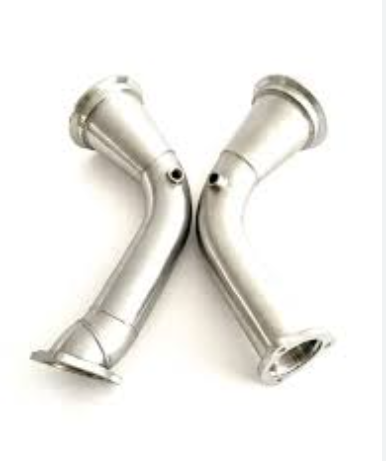

Why Downpipes Matter More Than Most Drivers Realize
Car enthusiasts often spend hours debating horsepower figures, suspension upgrades, or tire choices, yet one of the most influential exhaust modifications frequently gets less attention than it deserves—the downpipe. It’s one of those components that quietly changes the personality of a performance car. The engine breathes easier, throttle response sharpens, and the exhaust note develops a more purposeful character.
That doesn’t mean every driver should rush into replacing factory parts, though. Like any modification, the right choice depends on how you use your vehicle, your local regulations, and what kind of driving experience you’re trying to create. A daily commuter has different priorities than someone building a dedicated weekend machine.
Understanding Catted vs. Catless Designs
The biggest decision most owners face is whether to choose a catted or catless downpipe. While both aim to improve exhaust flow, they achieve it in different ways.
A catted version typically retains a high-flow catalytic converter, helping reduce emissions while still delivering noticeable performance gains. Many drivers appreciate the balance because it offers improved sound and responsiveness without becoming excessively loud.
Catless options remove the catalytic converter altogether, allowing exhaust gases to flow with fewer restrictions. This often results in maximum power potential, but it also increases exhaust volume, emissions, and may not be legal for road use in many regions. It’s a modification that usually makes more sense for track-focused vehicles rather than everyday transportation.
Choosing between the two isn’t simply about chasing bigger dyno numbers. It’s about deciding what suits your lifestyle.
Matching Parts to Your Vehicle
Performance parts are never one-size-fits-all. Every engine platform responds differently, and manufacturers design components around those unique characteristics.
Owners searching for mercedes c63 w205 catted and catless downpipes usually compare sound quality, turbo response, installation quality, and long-term durability before making a purchase. While both configurations can unlock additional performance, selecting a product built specifically for the W205 platform ensures proper fitment and minimizes installation headaches.
It’s also worth paying attention to construction materials. Stainless steel, precision welds, and quality flanges generally contribute to longer service life, especially for vehicles exposed to varying weather conditions.
The Role of Professional Installation
Many experienced mechanics can install downpipes without major issues, but modern performance cars often require more than simply removing old hardware and fitting new parts.
Electronic sensors, oxygen sensor placement, and ECU calibration can all influence how well the upgrade performs. In some cases, additional engine tuning helps optimize air-fuel ratios and fully utilize the improved exhaust flow.
Skipping proper tuning may leave potential performance on the table or even trigger warning lights. That’s why many enthusiasts budget for installation and software calibration alongside the hardware itself.
Audi Performance Enthusiasts Face Similar Choices
Audi owners encounter many of the same considerations when modifying turbocharged engines. Improved exhaust flow can transform how quickly the engine builds boost, making acceleration feel smoother and more immediate throughout the rev range.
Drivers researching audi rs4 rs5 downpipes often compare materials, pipe diameter, weld quality, compatibility with existing exhaust systems, and manufacturer reputation before placing an order. While horsepower gains naturally attract attention, reliability and consistent build quality tend to matter far more over years of ownership.
The best upgrades don’t simply produce impressive numbers—they continue performing reliably through thousands of miles.
Sound Is Personal
One of the biggest reasons people install aftermarket downpipes has nothing to do with horsepower.
They simply want their car to sound better.
A deeper, richer exhaust note can make every drive feel a little more engaging. Even an ordinary commute becomes slightly more enjoyable when the engine has a distinctive voice. That said, louder isn’t automatically better.
Some drivers enjoy aggressive pops and crackles, while others prefer a refined tone that still feels comfortable during long highway journeys. Reading owner reviews, watching real-world sound clips, and hearing similar setups in person can prevent disappointment later.
Think Beyond Peak Power
It’s easy to focus on advertised horsepower gains, but the overall driving experience matters much more.
Throttle response, smoother turbo spool, improved mid-range acceleration, and consistent performance under load often provide greater satisfaction than an impressive peak number on a specification sheet.
Quality components also reduce the chances of leaks, fitment issues, or premature corrosion. Spending slightly more on a reputable product often saves money—and frustration—in the long run.
Final Thoughts
Upgrading a performance exhaust system is rarely about chasing a single statistic. It’s about creating a car that feels more connected, more responsive, and ultimately more enjoyable every time you get behind the wheel.
Whether you’re building a weekend performance machine or simply refining your daily driver, taking the time to understand the differences between available downpipes will help you make a decision you won’t regret. Focus on compatibility, quality construction, legal requirements, and your own driving habits rather than marketing claims alone. In the end, the most rewarding modification is the one that makes every drive feel just a little more special.