


Introduction
The hobby of collecting miniature vehicles has fascinated people for generations. Whether inspired by aviation, automotive engineering, or historical transportation, enthusiasts enjoy creating and displaying detailed replicas that capture the beauty of real machines. Among the most popular collectibles are the model airplane, various plane models , and finely crafted replica cars. These miniature creations allow hobbyists to appreciate design, engineering, and craftsmanship in a compact form.
For many collectors, the appeal lies in the combination of history and creativity. Building a scale aircraft or vehicle requires patience, attention to detail, and an appreciation for the original design. Some hobbyists focus on military aircraft, while others prefer commercial aviation or classic automobiles. The growing popularity of the model airplane hobby has led to a wide range of kits, materials, and customization options suitable for beginners and experts alike. As a result, collecting miniature vehicles has become both an educational activity and a rewarding pastime enjoyed worldwide.
The Evolution of Model Airplane Collecting
The history of the model airplane hobby dates back many decades. Early enthusiasts built simple wooden aircraft by hand, often using basic tools and limited resources. Over time, advancements in manufacturing made it possible to create highly detailed aircraft kits that accurately replicated real planes.
Modern plane models are available in various scales and styles. Some are designed for static display, while others are capable of flight through remote-control technology. Collectors often select aircraft that represent important moments in aviation history, preserving the legacy of pioneering pilots and groundbreaking designs.
The popularity of plane models has expanded significantly because they offer a deeper understanding of aerodynamics and engineering. Hobbyists learn about aircraft structures, historical developments, and technological innovations while assembling their collections. This educational aspect makes the hobby appealing to both younger enthusiasts and experienced collectors seeking a meaningful connection with aviation history.
Why Plane Models Continue to Attract Hobbyists
One reason plane models remain popular is their remarkable variety. Collectors can choose from commercial airliners, vintage propeller aircraft, military fighters, cargo planes, and experimental designs. Each model represents a unique chapter in aviation development.
Building plane models also provides a sense of accomplishment. Many kits arrive as individual components that require assembly, painting, and detailing. The process encourages patience and concentration while developing practical skills. Hobbyists often spend hours perfecting small details to achieve realistic results.
Another attraction is the strong community surrounding the hobby. Enthusiasts regularly share techniques, display ideas, and historical knowledge. Exhibitions and competitions allow collectors to showcase their work and learn from others. Through these interactions, the appreciation for plane models continues to grow across generations, making the hobby both social and educational.
The Craftsmanship Behind Replica Cars
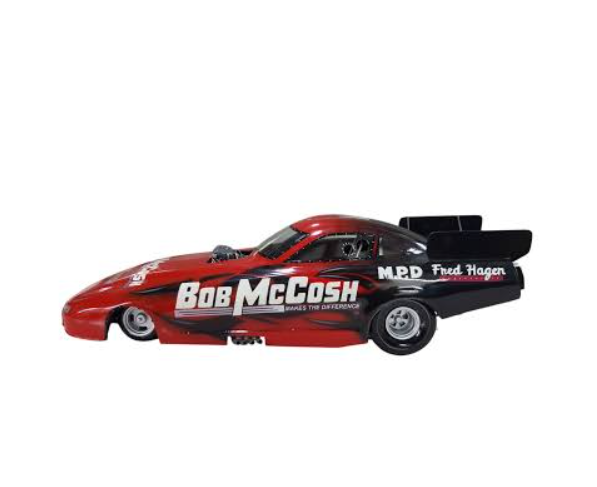
While aviation enthusiasts focus on aircraft, automobile fans often dedicate their collections to replica cars. These miniature vehicles capture the elegance, power, and innovation of famous automobiles in remarkable detail. From classic sports cars to vintage sedans and racing vehicles, replica cars provide collectors with an opportunity to celebrate automotive history.
The creation of high-quality replica cars involves precise engineering and careful attention to detail. Manufacturers reproduce body lines, interiors, wheels, and other features with impressive accuracy. Some models even include functional doors, steering systems, and engine compartments.
Collectors are often drawn to replica cars because they preserve iconic designs that may no longer exist in production. Owning a miniature version of a legendary vehicle allows enthusiasts to appreciate automotive artistry without requiring large storage spaces or significant financial investment. This accessibility has contributed to the enduring popularity of replica cars among hobbyists worldwide.
Building Skills Through Miniature Modeling
The process of assembling a model airplane or detailed vehicle offers numerous educational benefits. Hobbyists develop fine motor skills as they handle small parts and intricate components. Precision becomes essential when aligning structures, applying decals, and completing finishing touches.
Working with plane models also encourages research and historical exploration. Builders often study original aircraft specifications, operational histories, and design features before beginning a project. This research enhances appreciation for the engineering achievements represented by each model.
Similarly, enthusiasts who collect replica cars frequently learn about automotive innovations, manufacturing techniques, and racing history. As a result, miniature modeling serves as both a creative hobby and a learning experience. The combination of artistic expression and technical knowledge makes the activity rewarding for individuals of all ages.
Choosing the Right Scale and Display Style
Scale selection plays a significant role in collecting miniature vehicles. Different scales offer varying levels of detail and display requirements. Smaller models require less space and are often easier to store, while larger models showcase intricate craftsmanship more effectively.
Collectors of model airplane kits often organize displays based on historical eras, airline fleets, or military squadrons. These themed collections create visual narratives that enhance the overall presentation. Display cases help protect models from dust and accidental damage while highlighting their details.
For replica cars, collectors may arrange vehicles according to manufacturer type, racing history, or production decade. Creative displays can transform a simple collection into an engaging visual exhibit. Whether focusing on aircraft or automobiles, thoughtful presentation increases enjoyment and helps preserve the value of the collection.
The Growing Appeal of Customization
Customization has become an important aspect of the miniature modeling hobby. Enthusiasts frequently modify their model airplane projects by adding weathering effects, custom paint schemes, or enhanced cockpit details. These modifications create unique pieces that reflect individual creativity.
The same trend is evident among collectors of replica cars, who often personalize their models with custom finishes, upgraded interiors, or specialized display bases. Such enhancements allow hobbyists to showcase artistic skills while creating one-of-a-kind collectibles.
Customization also encourages experimentation with new techniques and materials. As collectors gain experience, they become more confident in tackling complex projects. This continual learning process keeps the hobby fresh and engaging while fostering a deeper appreciation for craftsmanship and design.
Preserving History Through Miniature Models
Miniature collections often serve as historical archives. A carefully crafted model airplane can represent significant events in aviation history, preserving the memory of important aircraft and technological achievements. Collectors frequently use their displays to educate others about aviation milestones.
Likewise, replica cars document the evolution of automotive design, showcasing changing trends in performance, safety, and aesthetics. Through these collections, enthusiasts preserve important cultural and technological developments for future generations.
The educational value of these miniature representations extends beyond personal enjoyment. Schools, museums, and exhibitions often use scale models to illustrate historical concepts and engineering principles. As a result, the hobby contributes to both learning and historical preservation.
Conclusion
The world of model airplane, plane models, and replica cars offers far more than simple collecting. It combines history, engineering, creativity, and craftsmanship into a rewarding hobby that appeals to people of all ages. Whether assembling aircraft that celebrate aviation achievements or displaying miniature vehicles that honor automotive innovation, enthusiasts find endless opportunities for learning and artistic expression.