
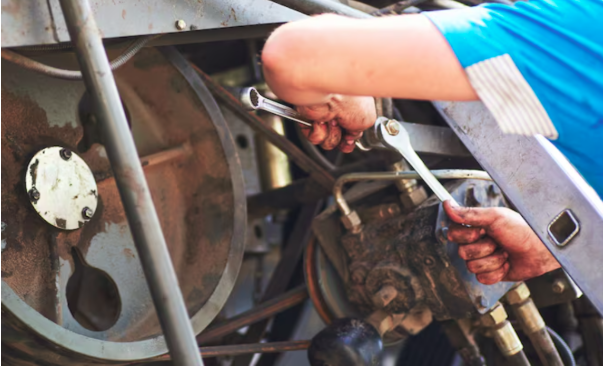

In industrial sectors ranging from maritime operations to heavy construction, the hydraulic winch is a cornerstone of productivity. When these powerful machines falter, the ripple effect can stall an entire project.
Seeking professional hydraulic winch repair is not just about fixing a mechanical issue; it is about safeguarding your business’s uptime and ensuring the safety of your crew.
To maintain a seamless operation, you must evaluate several critical factors before selecting a service provider.
Technical Expertise and Specialized Knowledge
Hydraulic systems are notoriously complex, operating under immense pressure and requiring precise calibration. The first factor to consider is the technical depth of the repair team.
A general mechanic may not understand the nuances of planetary gearboxes or the specific valve configurations inherent in high-end winches.
You should look for a provider that specializes specifically in fluid power and heavy-duty lifting equipment. Their ability to diagnose a failing motor versus a seal leak quickly can save you days of unnecessary downtime.
Availability of Genuine Replacement Parts
A repair is only as good as the components used. When sourcing hydraulic winch repair, inquire about the provider’s supply chain. Using “will-fit” or generic parts can lead to premature failure or even void your equipment’s warranty.
A reputable service center should have ready access to OEM (Original Equipment Manufacturer) parts. This ensures that the repaired winch meets the original factory specifications for load capacity and safety margins, keeping your business operations running smoothly.
Testing and Quality Assurance Protocols
You should never reinstall a winch based on a “visual” fix alone. Reliable hydraulic winch repair must involve rigorous load testing and pressure analysis. Ask potential service providers if they utilize a test bench to simulate real-world operating conditions.
A post-repair report documenting flow rates, pressure levels, and brake hold capacity provides the peace of mind that the unit will not fail the moment it returns to the field.
Turnaround Time and Emergency Support
In the world of logistics and construction, time is quite literally money. When evaluating a repair service, consider their typical lead times and their capacity for emergency “field service.”
If a winch fails on a remote site, having a partner who can deploy mobile technicians can prevent a minor hiccup from becoming a financial disaster.
Efficiency in communication and a streamlined intake process are hallmarks of a service provider that respects your operational schedule.
Reputation and Industry Experience
Experience speaks volumes in the hydraulic industry. Look for a company with a proven track record across diverse sectors like mining, oil and gas, or forestry. Long-standing companies have likely encountered your specific winch model and failure mode before.
Checking client testimonials or case studies can reveal how they handle complex hydraulic winch repair jobs and whether they stand behind their work with meaningful warranties.
Cost-Effectiveness vs. Low Price
While budget is always a factor, the cheapest quote is rarely the best value. Low-cost repairs often cut corners on seal quality or skip the vital step of flushing the hydraulic system to remove contaminants. Focus on the total cost of ownership.
A thorough, high-quality repair might cost more upfront, but it extends the lifespan of your machinery and prevents the recurring costs of secondary failures.