


Introduction to Scale Models and Their Popularity
Scale models have fascinated people for generations because they allow enthusiasts to experience detailed versions of real machines in a smaller form. From aviation history to marine exploration, miniature replicas represent creativity, engineering, and craftsmanship. Collectors, hobbyists, students, and professionals often use these models to understand designs, study structures, or simply enjoy the beauty of realistic replicas.
Among the most interesting categories, aircraft models, boat model creations, and plane models have gained significant attention worldwide. These models represent different areas of transportation and showcase the development of technology over time. Whether created for display, education, or recreation, they provide a closer look at the details behind some of the most impressive vehicles ever designed.
Understanding Aircraft Models and Their Importance
Aircraft models are miniature representations of airplanes, helicopters, and other flying machines. They are designed with careful attention to shape, structure, colors, and technical features. Many enthusiasts collect these models because they represent important moments in aviation history, including early aircraft inventions, military developments, and modern commercial aviation.
The creation of aircraft models requires knowledge of measurements and proportions. Manufacturers and hobbyists carefully study original designs to create accurate replicas. Some models focus on external appearance, while advanced versions may include movable parts, realistic interiors, or mechanical features.
These models are useful in several areas:
- Educational projects for learning aviation concepts
- Decorative collections for enthusiasts
- Historical displays showcasing aviation progress
- Training tools for understanding aircraft design
- Creative hobbies involving assembly and painting
Aircraft models are not only decorative items but also learning resources. They help people understand how aircraft evolved from simple flying machines into advanced transportation systems.
The Evolution of Plane Models Through History
Plane models have played an important role in representing the progress of aviation. Before modern technology made air travel common, miniature aircraft replicas were often used by engineers and designers to test concepts and study aerodynamics. Today, they are popular among collectors and aviation fans.
The development of plane models reflects changes in aircraft technology. Early replicas focused on simple wooden structures, while modern versions use advanced materials to achieve realistic details. Many models represent famous aircraft from different periods, allowing people to explore aviation history through miniature designs.
Collectors often appreciate plane models because each piece tells a story. A small replica can represent a historical flight, a technological achievement, or a major milestone in transportation. Some people build collections based on specific eras, aircraft types, or design styles.
The popularity of these models continues because they combine artistic skills with technical knowledge. Building and displaying them provides a rewarding experience for people interested in aviation.
Different Types of Aircraft Models Available
The world of aircraft replicas includes many varieties based on purpose, design, and level of detail. Some models are created for beginners, while others are designed for experienced collectors who prefer highly detailed pieces.
Common categories include:
- Commercial aircraft replicas representing passenger planes
- Military aircraft models showing fighter jets and defense aircraft
- Historical aircraft representing important aviation moments
- Helicopter replicas featuring unique flying designs
- Custom-built models created according to personal preferences
Each category offers something different for enthusiasts. Some people prefer realistic displays, while others enjoy assembling models from individual parts. The variety available makes aircraft collecting an engaging activity for different age groups.
Exploring the Art of Creating a Boat Model
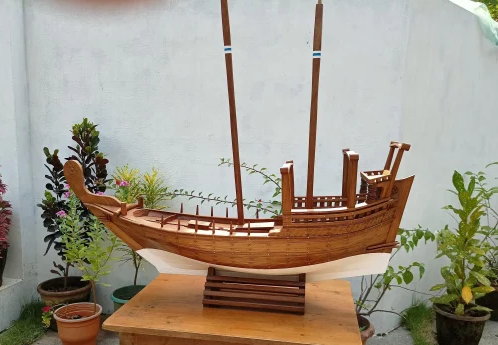
A boat model represents the design and appearance of watercraft in miniature form. These models can include ships, sailing boats, fishing vessels, yachts, and historical marine vehicles. Like aircraft replicas, they require attention to detail and careful construction.
Creating a boat model involves understanding the structure of real vessels. Builders often focus on elements such as the hull shape, deck arrangement, sails, and other external features. Traditional craftsmanship plays a major role in producing realistic marine replicas.
Boat models are appreciated by collectors because they capture the history of exploration, trade, and transportation across oceans and rivers. A detailed model can represent ancient ships, modern vessels, or specialized boats used for different purposes.
Many hobbyists enjoy building these models because the process combines patience, creativity, and technical skills. From painting small details to assembling complex structures, every stage requires precision.
The Educational Value of Model Building
Model building is more than a creative hobby. It can improve problem-solving abilities, patience, and understanding of engineering concepts. Students and beginners often use models to explore how different machines work.
Aircraft models and plane models can introduce learners to concepts related to flight, design, and technology. Similarly, a boat model can help explain water transportation, balance, and structural engineering.
These models encourage curiosity and allow people to explore subjects practically. Instead of only reading about machines, individuals can observe their designs closely and understand their components.
Educational benefits include:
- Developing attention to detail
- Improving hand coordination through assembly
- Encouraging creativity and imagination
- Building interest in science and engineering
- Understanding historical developments
For many people, model building becomes a lifelong interest that combines learning with enjoyment.
Materials Used for Making Detailed Models
Different materials are used to create realistic miniature vehicles. The choice of material depends on the purpose, complexity, and style of the model.
Common materials include:
- Plastic for affordable and lightweight designs
- Wood for traditional handcrafted models
- Metal for durable and realistic finishes
- Resin for detailed collectible pieces
- Composite materials for advanced designs
The quality of materials influences the final appearance and durability. Experienced builders often select materials carefully to achieve better accuracy and realistic results.
Modern techniques have also improved model production. Advanced manufacturing methods allow creators to develop highly detailed designs that closely match original vehicles.
Collecting Models as a Creative Hobby
Collecting miniature vehicles has become a popular hobby among people who appreciate technology, history, and craftsmanship. A collection can represent personal interests, favorite machines, or important moments in transportation development.
Many collectors organize their collections by category. Some focus on aircraft models from different time periods, while others collect specific types of plane models. Marine enthusiasts may create displays featuring different styles of boat model designs.
The appeal of collecting comes from the combination of beauty and knowledge. Each model represents research, design, and creativity. Collectors often enjoy learning about the real vehicles behind their miniature versions.
Displaying these models can also create attractive spaces where visitors can explore different aspects of transportation history.
Choosing the Right Model for Beginners
People starting this hobby should consider their experience level, interests, and available time. Some models require advanced skills, while simpler versions are suitable for beginners.
Important factors to consider include:
- Level of construction difficulty
- Size and display space
- Material quality
- Historical or personal interest
- Amount of detail required
Beginners may start with simpler designs before moving toward more complex projects. With practice, they can develop skills and create more advanced collections.
The Future of Miniature Transportation Models
Technology continues to influence the development of miniature vehicle designs. Digital tools, improved materials, and advanced manufacturing methods are creating more accurate and detailed replicas.
Future aircraft models may include even more realistic features, while innovative plane models may represent upcoming aviation technologies. Similarly, new boat model designs may showcase modern marine engineering concepts.
The connection between technology and craftsmanship ensures that miniature models will continue to attract new generations of enthusiasts.
Why People Continue to Enjoy Model Collections
The popularity of miniature transportation replicas comes from their ability to connect people with history, technology, and creativity. They allow individuals to appreciate engineering achievements in a unique and personal way.
Whether someone collects aviation designs, builds marine replicas, or studies transportation history, these models provide an opportunity to explore fascinating subjects.
Aircraft models, boat model creations, and plane models continue to inspire curiosity because they represent human innovation and the desire to understand how machines shape the world.
Conclusion
Miniature transportation replicas offer a unique combination of art, education, and engineering. They allow enthusiasts to explore the details of vehicles that have transformed travel and exploration throughout history.
From carefully designed aircraft models to detailed boat model collections and realistic plane models, each creation represents creativity and dedication. These models are valuable not only as collectibles but also as tools for learning and appreciation.
As technology advances, the world of miniature designs will continue to grow. Their ability to preserve history, encourage creativity, and inspire future generations ensures that these models will remain an exciting and meaningful hobby for years to come.