

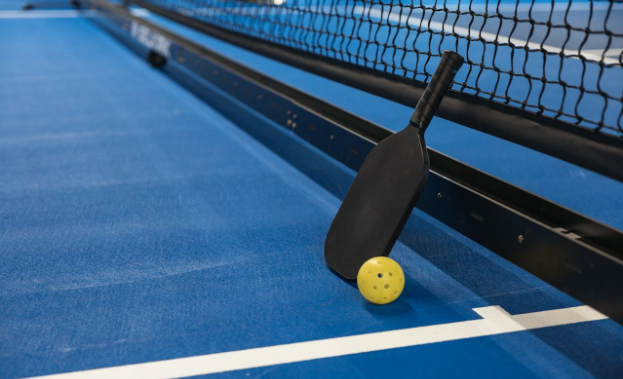

Many players step onto the court with equipment that fights against their natural movement. They adjust their grip to accommodate a generic handle or force their swing to compensate for awkward weight distribution. What happens next is predictable. The paddle feels heavy and shots constantly miss the mark.
So how do we fix this common problem? build something tailored entirely to your own hands. Creating a piece of equipment that truly fits requires looking closely at how you already play. It means shaping the materials around your existing movements instead of changing your technique.
Match Handle Length to Your Grip Type for Custom Pickleball Paddles
There is a big difference between players who anchor their pinky finger and those who wrap their entire hand around the base. When you begin building custom pickleball paddles you must look closely at your hand placement.
An oversized handle will throw off your natural balance point while a short handle leaves you grasping at air. Think about where your hand naturally rests during a volley. If you prefer a two handed backhand you need extra space at the bottom. Give your hands the exact room they require.
Balance Weight Distribution to Your Natural Swing Arc
Swing speed determines how much weight you can comfortably manage during a long match. A heavy head provides immense power on overhead smashes but slows down your reaction time at the kitchen line. Focus on where the paddle feels heaviest when holding it straight out.
Do you tend to flick your wrist quickly? A lighter top section helps immensely. If your natural motion is a long and sweeping arc extra mass near the top provides stability. Find the exact balance point that makes swinging feel effortless.
Choose Core Thickness Based on Your Typical Shot Depth
The center material dictates how the ball responds when making contact. A thin core creates a trampoline effect that rockets the ball deep into the opponent court. A thicker core absorbs energy and gives you incredible touch for soft drops.
Think about your most frequent shots. Do you rely on power or placement? Choose a thicker material if you want more control over delicate kitchen exchanges. Go thinner if you need help driving the ball to the baseline.
Round the Edges Slightly to Reduce Glancing Blow Misses
Sharp corners often catch the air awkwardly and can lead to unpredictable mishits during fast exchanges. Squaring off the top might seem like a good way to maximize surface area. However it creates a bulky profile that feels clumsy.
Taking just a fraction of an inch off the corners improves aerodynamics significantly. The paddle cuts through the air much faster. Your peripheral hits will still travel forward rather than spinning completely out of bounds.
Select Grip Taper That Matches Your Hand Pressure Points
Look closely at the shape of your palm when resting it flat against a table. The human hand is not perfectly cylindrical. Wrapping your handle evenly from top to bottom ignores the natural contours of your fingers.
Build up the lower section slightly to give your ring and pinky fingers a secure resting place. A thicker base prevents the paddle from slipping during sweaty matches. The equipment stays firmly locked in place without requiring a white knuckle grip.